
Knowledge Base TTS 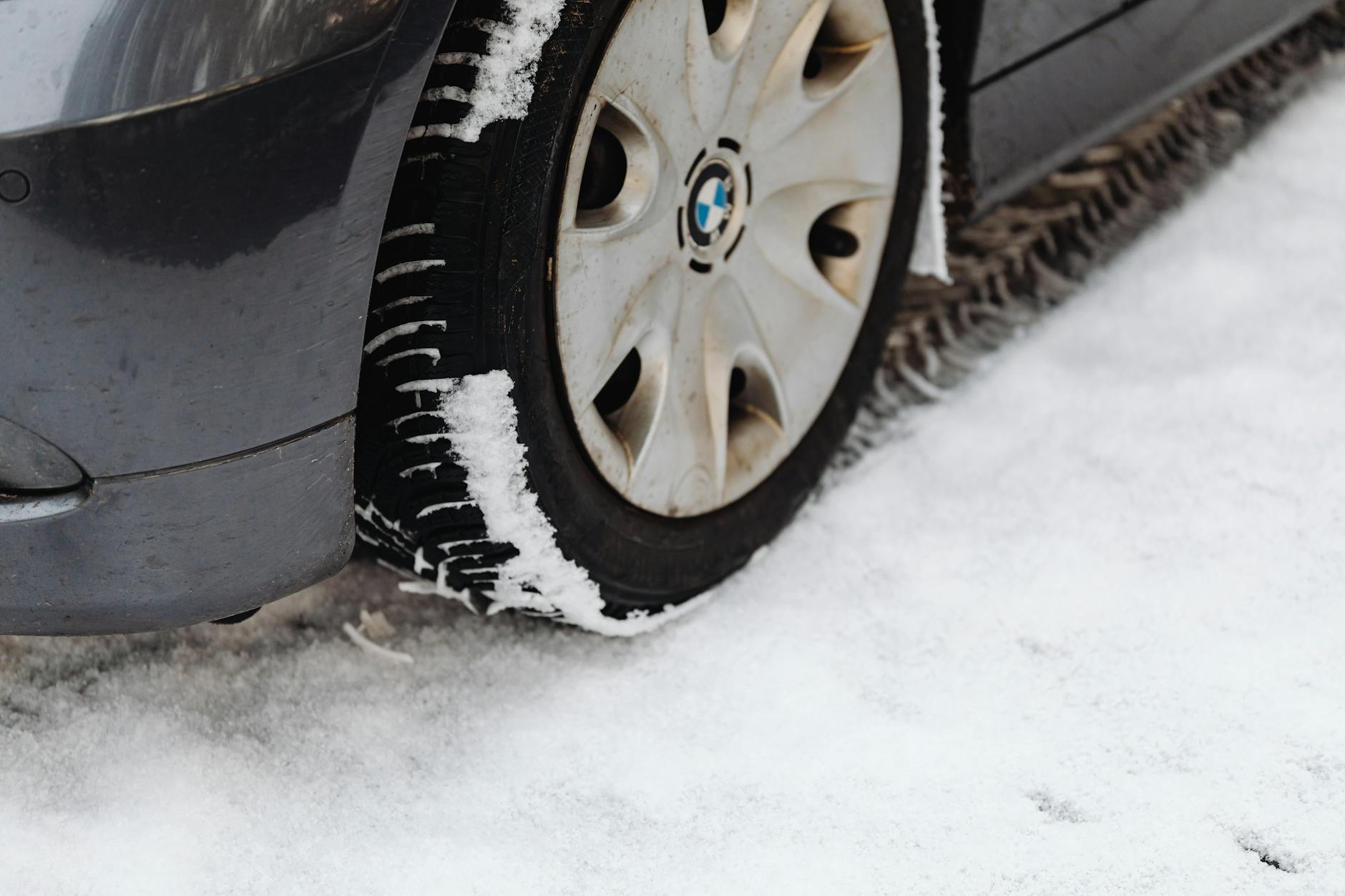
Wheels
2 min
Seasonal Tire Change: Complete Guide
Temperature ranges, change timing and how to properly determine tire wear.
Seasonal Tire Change: Complete Guide
Tires are the only point of contact between your vehicle and the road.
IMPORTANT: Studded Tires Are Prohibited in Europe!
In most EU countries, studded tires are prohibited.
What to use instead?
- Friction winter tires (non-studded)
- Tires marked M+S
- Tires with the 3PMSF symbol
Temperature Ranges
Summer tires: +7°C and above
Below +7°C, rubber hardens and may lose 30–50% of its grip.
Winter tires: below +7°C
Remain flexible down to -40°C.
Why Is It Important?
What happens with the wrong tire choice:
| Situation | Technical Consequences |
|---|---|
| Summer tires in winter | Rubber hardens → braking distance increases by 40–70% → higher skid risk in corners |
| Winter tires in summer | Soft compound wears 2–3x faster → reduced stability on dry asphalt → tire overheating |
| Worn tread | Depth below 1.6 mm (summer) or 4 mm (winter) → aquaplaning → loss of control |
| Incorrect pressure | Overinflated: center wear, harsh ride. Underinflated: edge wear, higher fuel consumption, risk of damage |
Real Consequences
- Braking distance increases by 10–20 meters at 80 km/h
- Loss of control during emergency maneuver
- Fine for worn tires: up to 500 PLN
- Accident due to improper tires: insurance claim may be denied
When to Change?
To winter tires: when average daily temperature stays below +7°C
To summer tires: when temperature is consistently above +7°C
Better one week too early than one day too late!
Tips
- Studded tires are PROHIBITED in Europe
- Change tires at stable +7°C
- Minimum tread depth: 1.6 mm (summer), 4 mm (winter)
Need a consultation?
Need diagnostics or a price estimate? Contact us.